Source Flash Drinkware for Water, Coffee, and Office Use
Compare 30 flash drinkware options including aluminum bottles, double wall glass cups, and single wall designs. Buyers can evaluate specifications like capacity, material, and customization features to find suitable suppliers for drinking water, coffee, and office applications; compare the available evidence and request quotations based on your requirements.
Key considerations
Products List


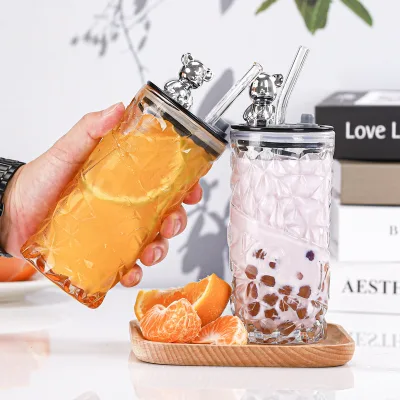
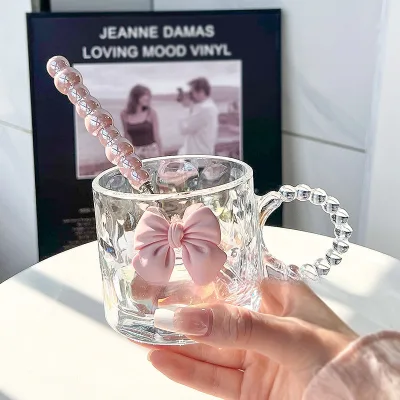
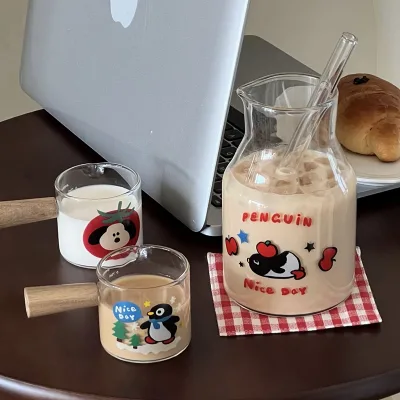


Comprehensive Sourcing Guide
Flash Drinkware Sourcing Guide
The flash drinkware market presents a diverse array of options ranging from industrial aluminum components to specialized glass coffee cups, each serving distinct procurement needs. Buyers must first distinguish between heavy-duty metal processing parts and consumer-facing beverage containers, as the supply chains and quality requirements differ significantly. The observed product landscape includes cylindrical aluminum bottles with capacities up to 2.2 liters alongside double-walled glass cups designed for office environments.
Understanding the specific application is critical before engaging with suppliers, as the intended use dictates the necessary material properties and manufacturing processes. While some listings highlight suitability for drinking water, others focus on metal processing machinery parts, requiring entirely different verification protocols. Procurement teams should align their initial search parameters with the specific functional requirements of the end product to avoid sourcing mismatches that could lead to operational inefficiencies or safety concerns.
Product Scope and Observed Listing Signals
Listing signals indicate a wide variance in product attributes, including packaging dimensions that range from compact 10x10x10cm units to larger 57.5x57.5x33.5cm cartons holding 25 pieces. Buyers should carefully review the stated weight and packing details, as the gross weight of 8kg versus net weight of 7kg suggests specific density and material usage that impacts shipping costs. The presence of both single-wall and double-wall glass types further complicates the scope, requiring clear differentiation in the request for quotation to ensure the correct thermal properties are delivered.
The observed price range of 0.03 to 25 USD reflects the disparity between simple glass cups and more complex aluminum or machined metal components. This broad spectrum necessitates a granular approach to budgeting, where the unit cost is evaluated against the total landed cost including packaging and logistics. Procurement professionals must verify whether the listed price includes customization services like UV printing or silk screen logo application, as these value-added features often drive the final commercial terms and minimum order quantities.
Technical Specifications to Verify
Technical verification must begin with the material composition, as the supply data explicitly lists aluminum for certain bottles and clear glass for coffee cups. Buyers should confirm the specific glass type and wall structure, ensuring that double-wall designs intended for thermal insulation match the actual product specifications provided by the manufacturer. For metal components, the processing accuracy of 0.01 and surface finish of electroplating are critical metrics that must be validated against the engineering drawings to ensure functional compatibility with the intended machinery or assembly line.
Dimensional standards and physical attributes require rigorous cross-referencing, as observed specifications include models like GY202509209 and zzx303 with varying standard sizes. The production process, whether CNC machining or mouth-blown glass, directly influences the final tolerances and aesthetic finish of the item. Buyers should request detailed technical sheets that confirm the standard dimensions, such as 11x35cm or 30x10x30, to prevent discrepancies between the ordered prototype and the mass-produced units delivered to the facility.
Compliance and Safety Documentation
Compliance verification is essential when sourcing products intended for direct human contact, such as drinking water bottles and office coffee cups. While the provided data mentions ISO certification, buyers must demand specific food-grade safety certificates that validate the material safety for beverage applications. The distinction between general industrial parts and consumer drinkware requires different regulatory adherence, and procurement teams should ensure that the supplier can provide test reports confirming the absence of harmful substances in the aluminum or glass materials.
Safety documentation must also address the manufacturing standards, such as the GB standard noted in the listings, which governs domestic production quality in China. Buyers should verify that the production facility adheres to these national standards and any relevant international safety protocols for glass and metal products. It is crucial to confirm that the certification status applies to the specific product model being ordered, as a facility may hold general ISO status without specific approvals for the unique processing methods like decal decoration or electroplating used in the final product.
Cost Drivers and Commercial Terms
Commercial terms are heavily influenced by the minimum order quantity, which ranges from 5 to 5000 units depending on the product complexity and customization level. The observed MOQ of 1000 pieces for certain items suggests that smaller buyers may face higher per-unit costs or need to consolidate orders to achieve viable pricing tiers. Buyers should negotiate based on the total volume required to meet the supplier's production run efficiency, as the cost per unit often decreases significantly when moving from the lower end of the MOQ range to the higher capacity thresholds.
Lead times and sample availability are additional cost drivers that impact the overall procurement timeline and cash flow. With sample times of 5-7 days and production times of 7-15 days after sample confirmation, the total turnaround can extend significantly if design iterations are required. Procurement teams must factor in the FOB pricing structure and potential logistics costs, ensuring that the commercial agreement clearly defines who bears the risk during transit and how delays in sample approval will affect the final delivery schedule.
Supplier Qualification and Quality Control
Supplier qualification requires a deep dive into the manufacturing capabilities, particularly regarding the processing methods like CNC machining and handmade mouth-blown techniques. Buyers should assess the supplier's ability to maintain the stated processing accuracy of 0.01 and consistent surface finishes across large production batches. The presence of OEM and ODM capabilities indicates flexibility, but it is vital to verify that the supplier has the technical infrastructure to handle custom logo printing and specialized packaging without compromising the structural integrity of the product.
Quality control protocols must be established early to ensure that the final output matches the approved sample and technical specifications. Given the variety of packing methods, from OPP bags to bubble bags and carton boxes, the supplier's internal QC processes should include rigorous checks on packaging integrity to prevent damage during shipping. Buyers should request a quality assurance plan that outlines inspection points for critical attributes like weight, dimensions, and surface finish to mitigate the risk of receiving non-conforming goods.
Long-Term Procurement Checks
Long-term procurement success depends on establishing a robust relationship with suppliers who can consistently meet evolving demand and quality standards. Buyers should conduct periodic audits to ensure that the supplier maintains their ISO certification and adheres to the GB standards over time, as production processes can drift without regular oversight. The ability to handle customization requests, such as accepting new logo designs or altering packaging dimensions, is a key indicator of a supplier's adaptability and long-term viability as a partner.
Continuous monitoring of performance metrics, including lead time adherence and defect rates, is essential for maintaining supply chain stability. Procurement teams should track the consistency of the product model specifications, such as the GY202509209 or zzx480 models, to ensure that future orders match the initial successful batches. By maintaining open communication channels and setting clear expectations for quality and delivery, buyers can secure a reliable supply of flash drinkware that supports their business growth and operational efficiency.
FAQs
What materials are used for flash drinkware production?
Flash drinkware is manufactured using aluminum for metal processing machinery parts and clear glass for office cups. Aluminum components undergo CNC machining with electroplating surface finishes. Glass options include double wall and single wall designs. These materials ensure durability and suitability for various drinking water applications while maintaining high-quality standards.
Can I customize the logo on flash drinkware?
Yes, customization is available for flash drinkware with OEM and ODM services. You can choose UV, heat transfer, or silk screen printing for logos. Decal decoration is also accepted for specific models. Customized designs are welcomed, allowing businesses to brand products effectively while meeting specific aesthetic and functional requirements for their target audience.
What is the typical MOQ for flash drinkware orders?
The minimum order quantity for flash drinkware typically starts at 1000 pieces. However, observed ranges extend from 5 to 5000 units depending on the supplier and product type. Buyers should verify specific MOQ requirements with manufacturers, as bulk orders may offer better pricing flexibility and production efficiency for large-scale commercial needs.
How long does production take for flash drinkware?
Production time for flash drinkware generally ranges from 7 to 15 days after sample confirmation. Sample preparation usually takes 5 to 7 days. These timelines ensure quality control and accurate customization. Buyers should plan accordingly, as lead times may vary based on order volume, complexity of design, and specific manufacturing processes required.
What certifications do flash drinkware products have?
Flash drinkware products are certified under ISO standards. Aluminum parts meet GB standards for metal processing. Glass cups are produced with clear glass types suitable for office use. These certifications ensure quality and safety compliance. Buyers can rely on these documented standards when sourcing flash drinkware for commercial or industrial applications requiring verified material integrity.
What packaging options are available for flash drinkware?
Packaging options for flash drinkware include OPP bags, boxes, bubble bags, and carton boxes. Standard packing dimensions vary by product, such as 57.5x57.5x33.5cm for 25 pieces. Custom packing is acceptable for specific requirements. These options protect products during shipping and storage, ensuring they arrive in pristine condition for end-users or further distribution.